
Floating in the southeastern Aegean, Kos is an island where history, landscape, and modern Mediterranean living exist in quiet harmony. Known as the birthplace of Hippocrates, the father of modern medicine, it is an island defined by contrasting rhythms: ancient ruins wrapped in bougainvillea, golden beaches swept by cooling breezes, rustic mountain villages, and an evolving luxury hospitality scene that prioritizes privacy and wellbeing.
If you are planning your first trip to the Aegean, this comprehensive Kos travel guide for first-timers outlines everything you need to know, from geographic orientation and top experiences to where to base yourself for an unhurried, elevated stay.
Essential Orientation: Understanding the Geography of Kos
To travel Kos thoughtfully, it helps to understand how the island unfolds. While easily navigable by car, each region offers its own atmosphere, topography, and pace of travel.
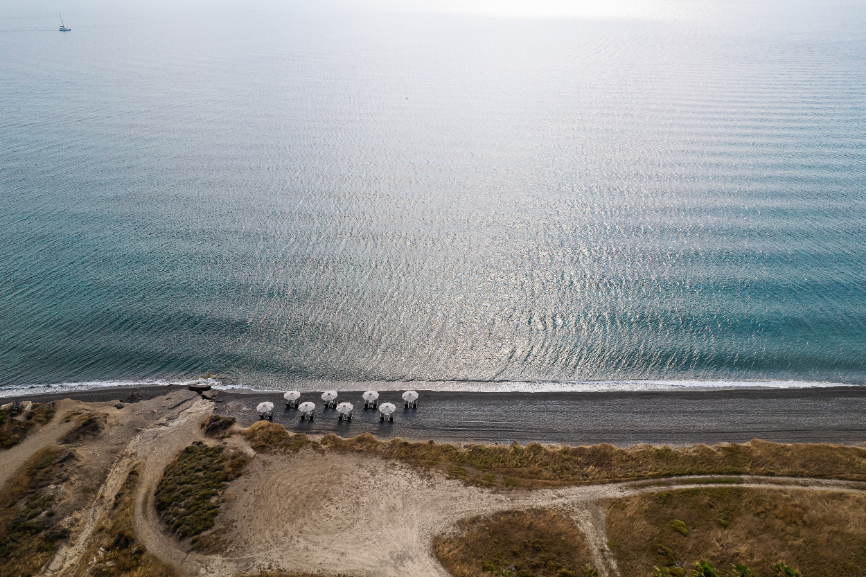
The East Coast (Agios Fokas & Psalidi) — Landscape Serenity & Panoramic Views
For first-time visitors seeking the ideal balance between serene seclusion and effortless accessibility, the elevated east coast, anchored by Agios Fokas, stands out as the island’s most compelling base. Positioned on hillside slopes overlooking the Kerameikos Gulf, this tranquil stretch offers sweeping Aegean views, mineral-rich thermal springs, and an atmosphere of quiet luxury. Crucially, it provides a peaceful sanctuary away from crowded resort hubs while keeping you just a short 10-minute drive from the culture, harbor, and dining of Kos Town.
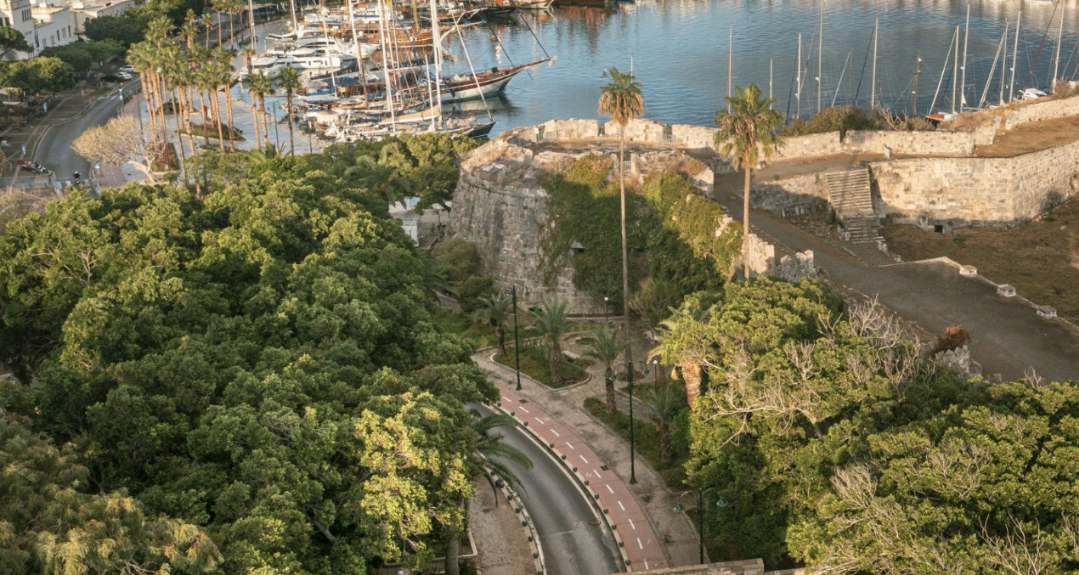
The North Coast (Kos Town, Lambi, & Tigaki) — Historic Heritage & Vibrant Energy
The north coast serves as the island’s vibrant cultural and historical heart. Centered around Kos Town, this region is defined by ancient harbor ruins, lively tavernas, and broad coastal cycling paths that stretch along flat, sandy shores. It is perfect for an afternoon of historical sightseeing, exploring local markets, or enjoying lively evening energy before returning to a quieter retreat.
The Central Mountains (Zia & Asfendiou) — Rustic Villages & Direct Sunsets
Inland, the slopes of Mount Dikeos reveal a greener, more rustic side of Kos. Wrapped in pine forests and traditional stone architecture, mountain villages like Zia offer a window into authentic island gastronomy, artisan crafts, and panoramic views that stretch across the Aegean. It is an unmissable destination for late-afternoon excursions and sunset dining.

The South & West Coast (Kefalos & Kardamena) — Turquoise Coves & Expansive Shores
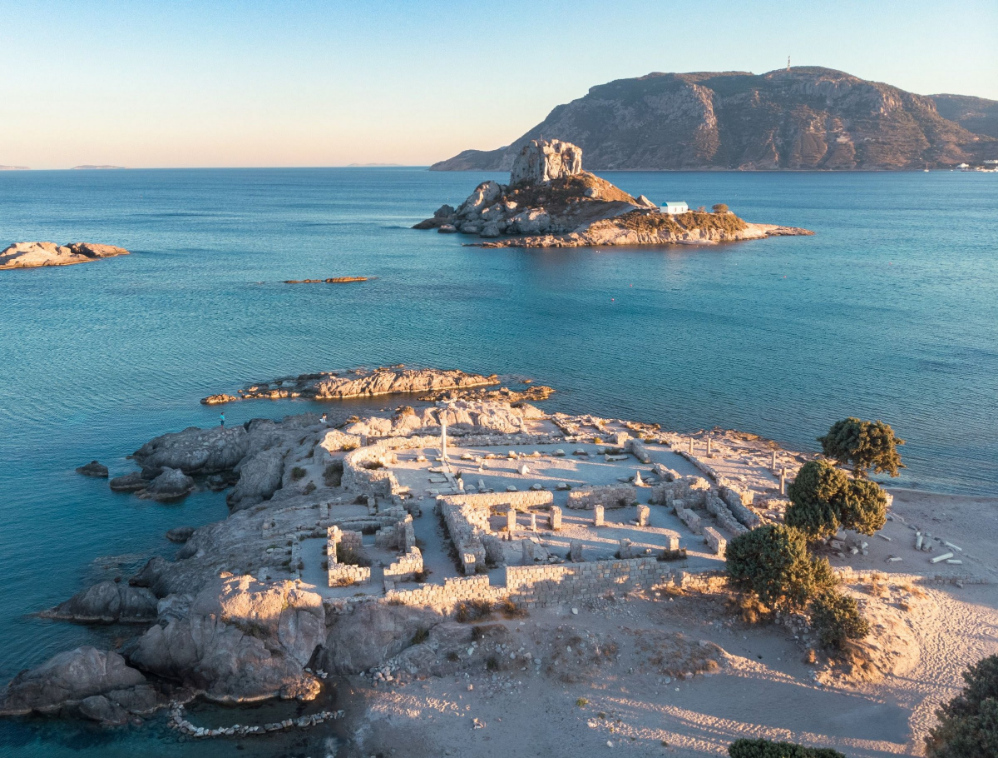
Stretching toward the western tip of the island, the south coast is celebrated for its dramatic shoreline and clear, turquoise swimming coves. Home to famous beaches like Agios Stefanos, this region offers expansive sandy bays and ancient coastal ruins, making it a favorite for beach hopping.
Top Things to Do in Kos for First-Time Visitors
When curating your itinerary, focus on experiences that showcase the island’s rich heritage, raw nature, and slow-paced luxury.
- Walk in the Footsteps of Hippocrates
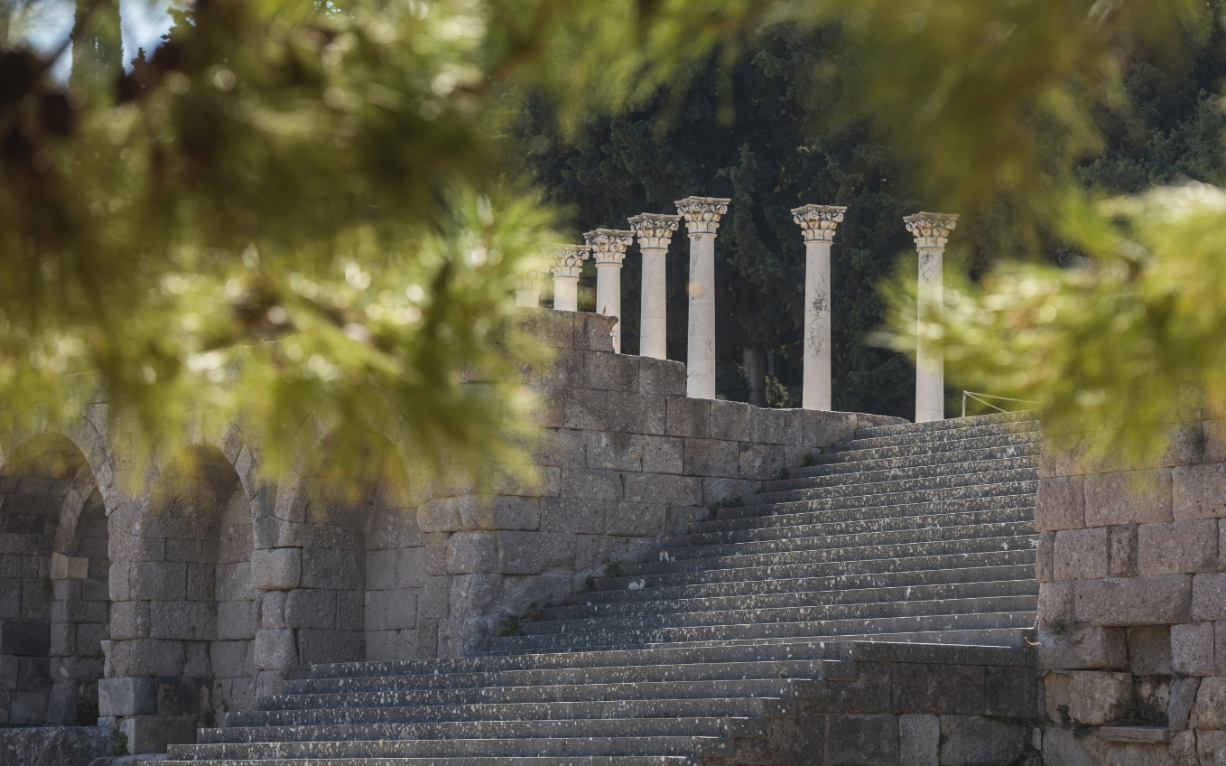
No visit to Kos is complete without connecting to its ancient healing lineage. Located just outside Kos Town, the Asklepieion is an ancient medical center built on a cypress-covered hillside overlooking the Aegean. Here, Hippocratic physicians practiced holistic healing. In town, stop beneath the Plane Tree of Hippocrates, where tradition holds the ancient physician taught his disciples over 2,400 years ago.
- Ascend to Mount Dikeos & Zia Village
For a completely different vantage point, head inland to the slopes of Mount Dikeos. The picturesque village of Zia offers narrow stone alleyways lined with local craft shops, traditional tavernas, and herbal purveyors. Arrive in the late afternoon to watch the sun dip below the Aegean horizon, casting golden light across the neighboring Dodecanese islands.

- Experience Coastal Living & Natural Thermal Baths
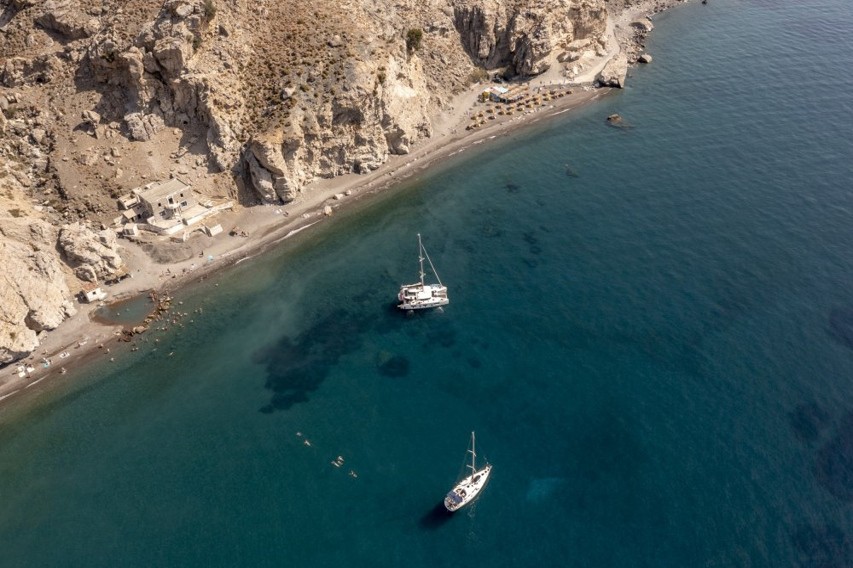
Kos is renowned for its diverse shoreline. At Agios Fokas, natural thermal hot springs bubble up into sea pools, blending mineral-rich warmth with the cool Aegean. Further west, the beaches of Kefalos, such as Agios Stefanos, offer powdery sand and postcard-worthy views of a tiny islet topped with an ancient white-and-blue chapel.
- Indulge in Island Gastronomy & Local Wine
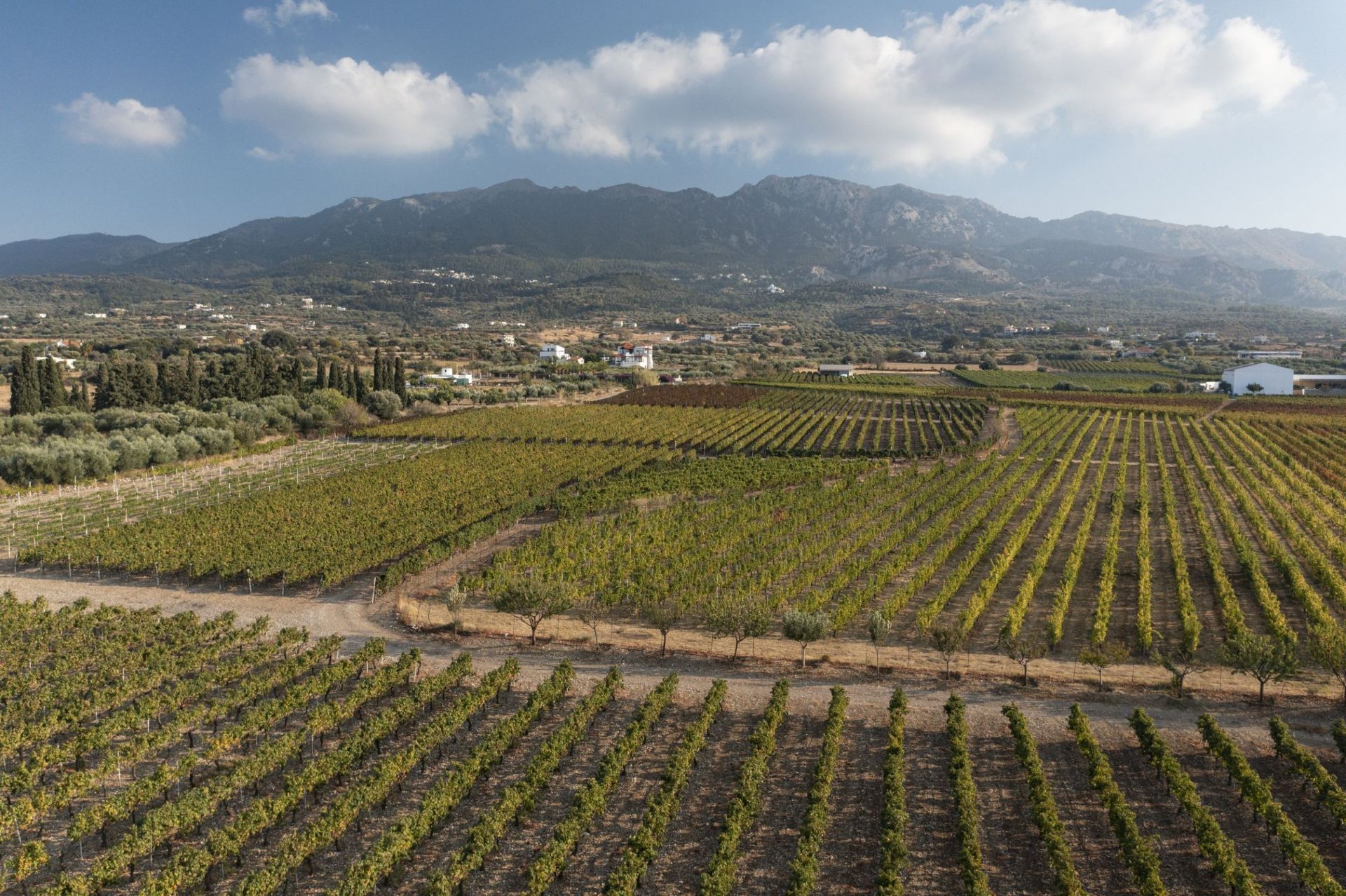
Kos’ fertile volcanic soil nurtures exceptional local produce, olive oil, and indigenous grape varieties like Assyrtiko and Malagousia. Spend an afternoon sampling local vintages at boutique wineries and hotels that offer Kos wine tasting nestled in the foothills, or enjoy refined farm-to-table dining overlooking the sea.
- Embark on a Private Aegean Sea Excursion
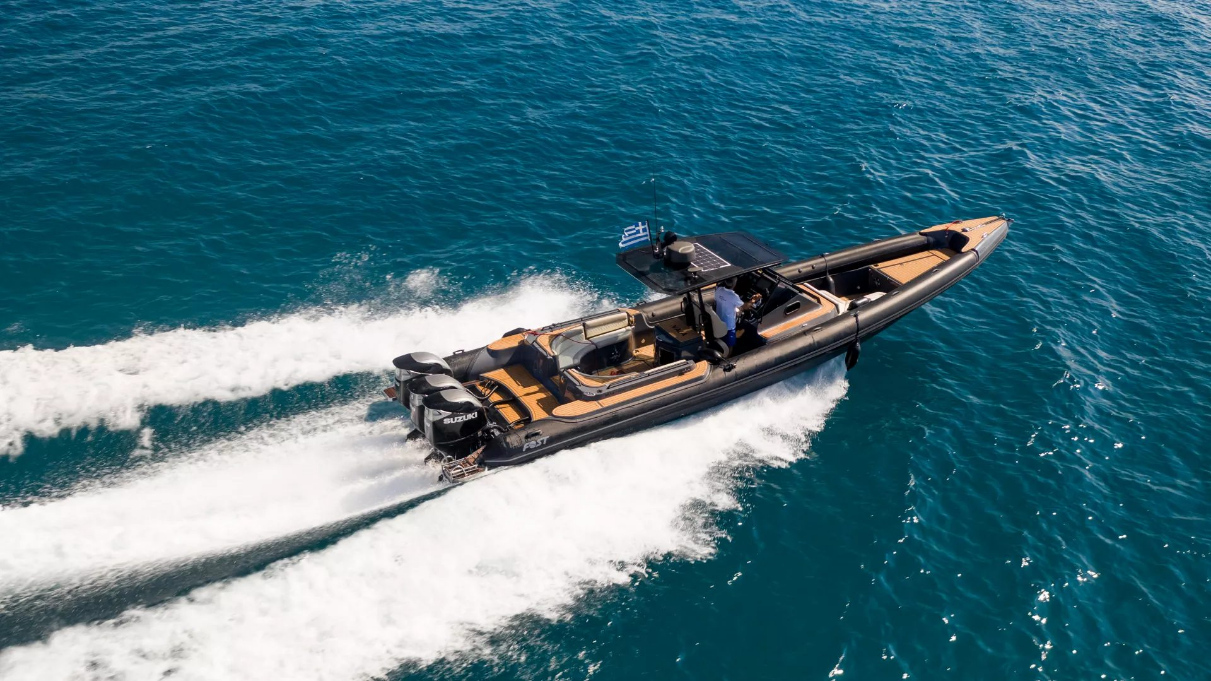
With its central location in the Dodecanese, Kos serves as an ideal launchpad for coastal exploration. Arrange a private boat trip in Kos to navigate hidden coves along the coast, or sail to neighboring islands like Kalymnos or peaceful Pserimos for an unhurried day on the water.
Where to Base Yourself: Crafting Your Ideal Stay
For first-time travelers seeking tranquility without isolation, choosing the right base is essential. While the north coast offers bustling resort towns, discerning travelers gravitate toward the elevated calm of the east coast near Agios Fokas.
Positioned on a hillside overlooking the Kerameikos Gulf, Agios Fokas offers an atmosphere of profound calm, dramatic sea vistas, and complete privacy, while remaining just a short 10-minute drive from the historic culture of Kos Town.
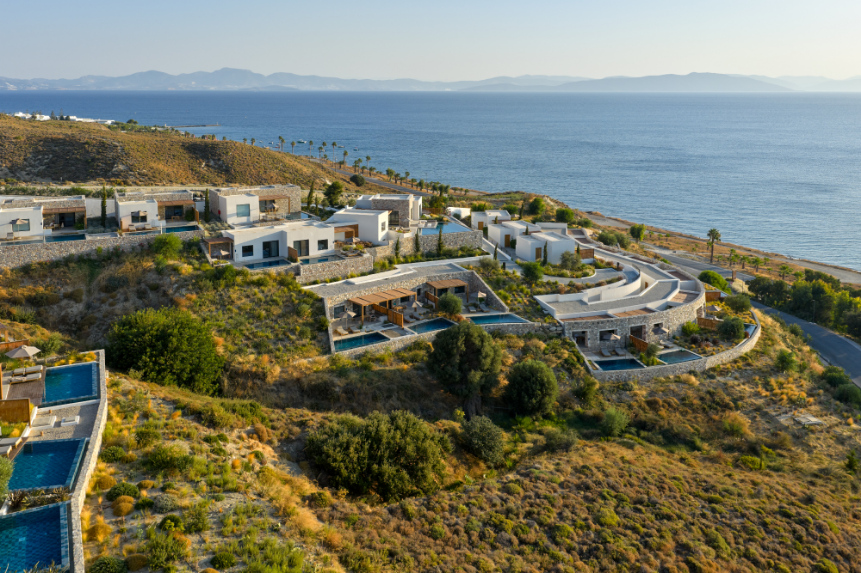
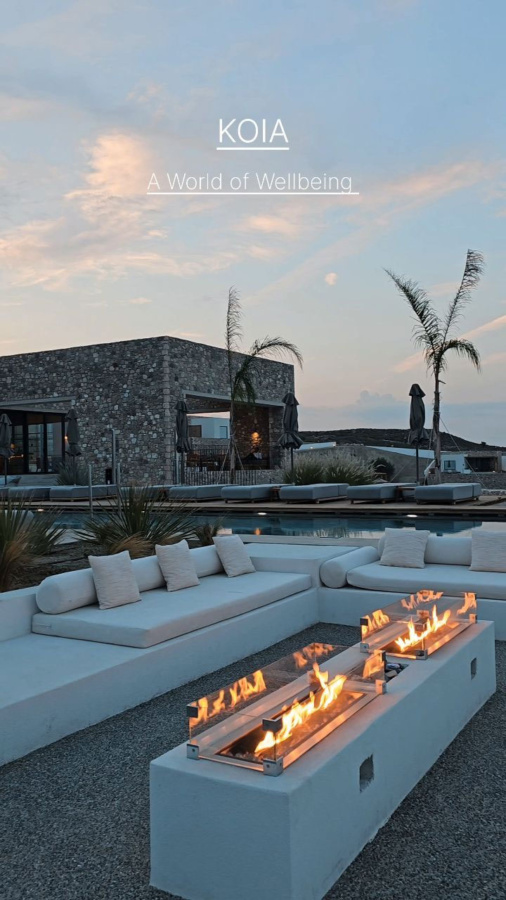
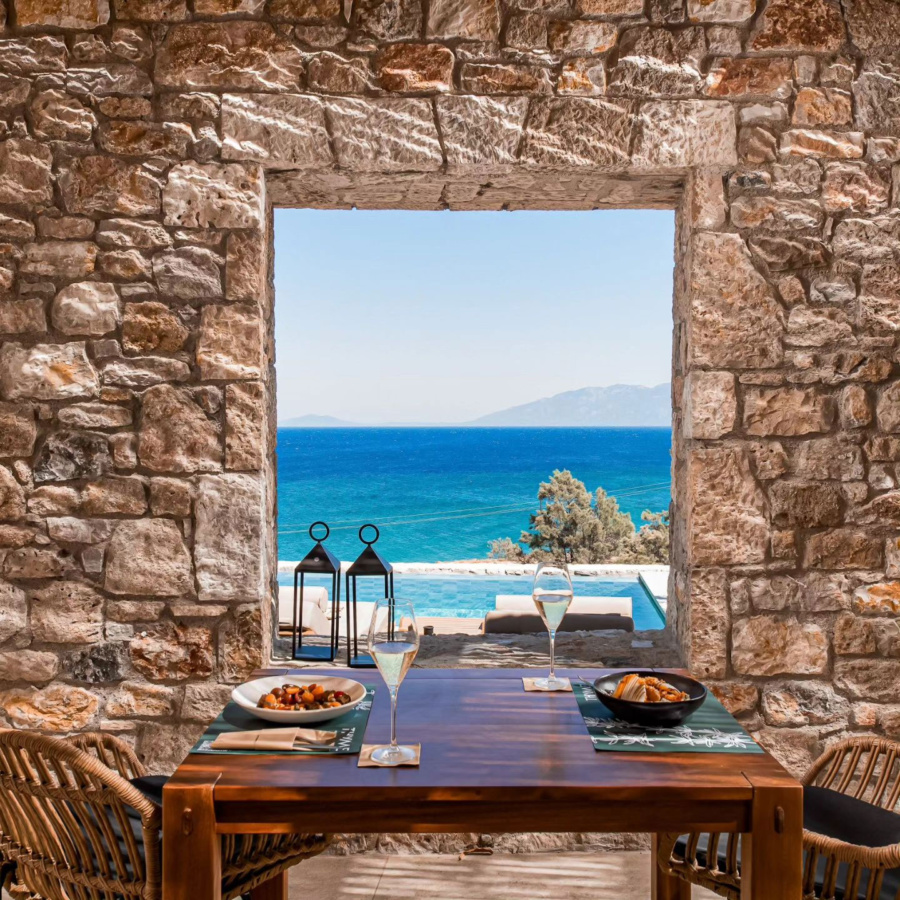
Here is where you will find our sanctuary dedicated to wellness through a reimagined concept of hospitality. KOIA All-Suite Wellbeing Resort is harmoniously integrated into the natural slope, combining bioclimatic architecture, private pool suites, and an adults-only atmosphere rooted in Hippocratic principles of balance and rest. It serves as an unhurried setting where you can begin your day with intention, spend quality time with yourself and your loved ones, spend quality time with yourself and your loved ones, and discover how the most meaningful things to do can unfold naturally around you.
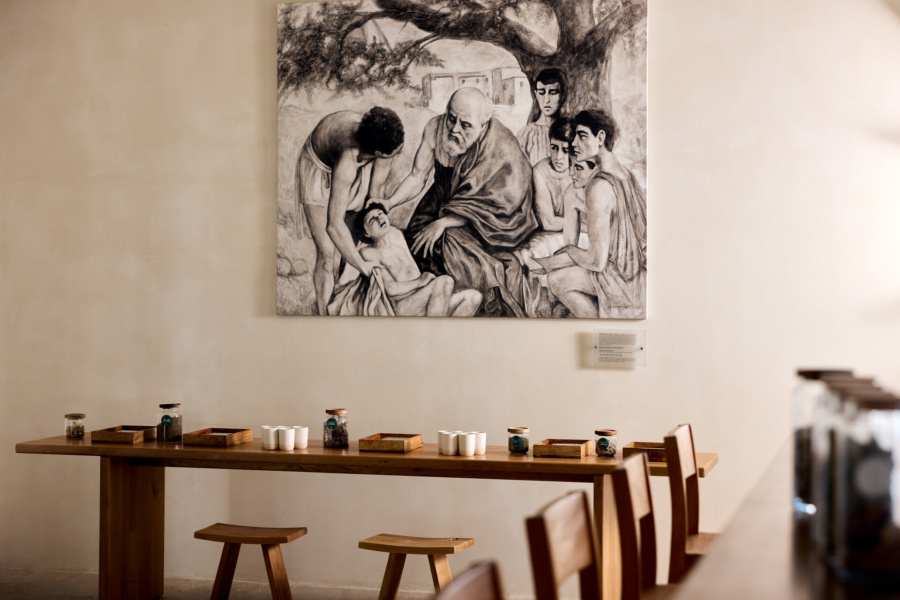
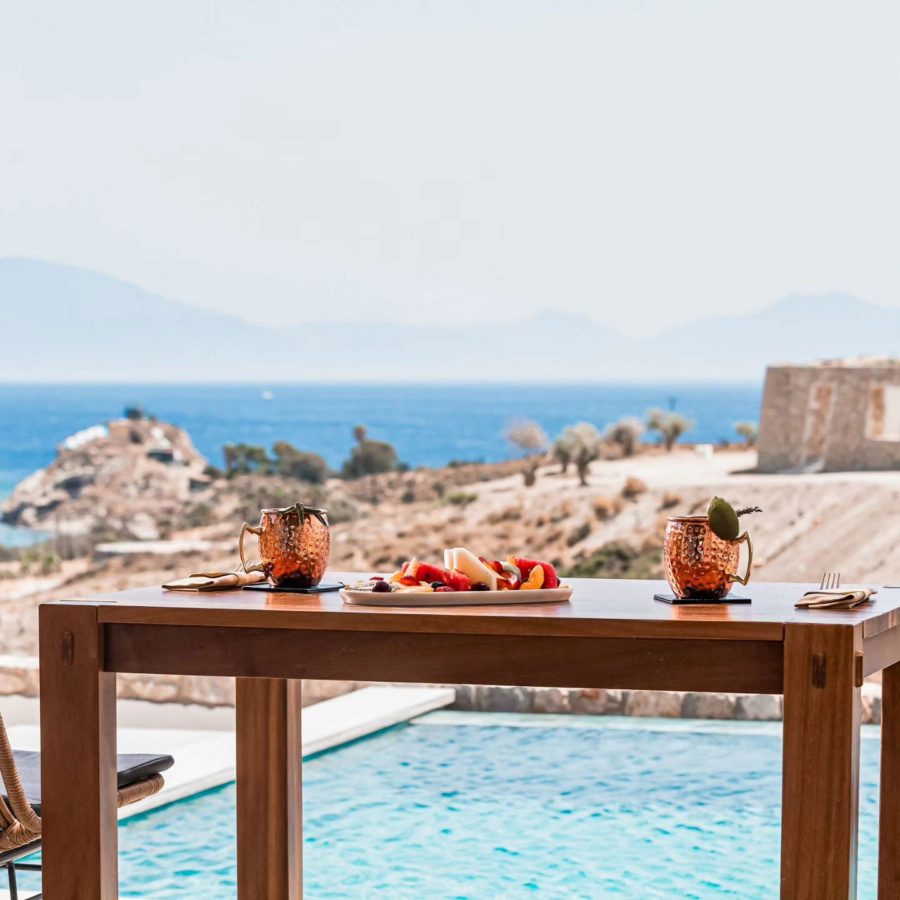
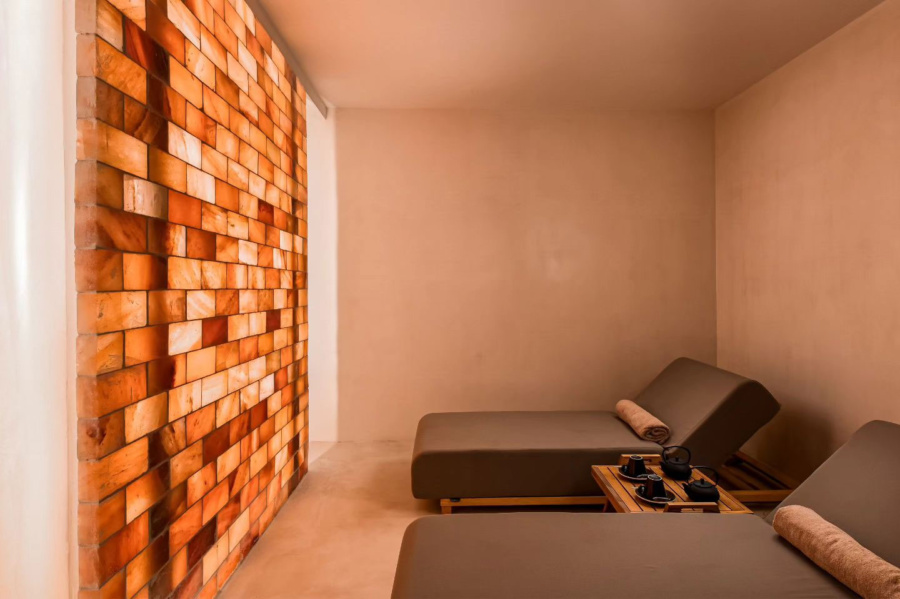
From morning terrace yoga and ancient Hippocratic spa rituals to private blind tea tastings and hands-on clay workshops, wellbeing here is woven into simple, daily practices. Beyond the resort grounds, curated island adventures invite you to engage with Kos on a deeper level, whether sailing across hidden Dodecanese coves, riding horses along the shoreline at golden hour, or enjoying private wine tastings and slow, elevated local dining at Thyme Restaurant. KOIA Resort has curated a world of experiences in Kos designed around a singular purpose: to slow down, attune to the island, and live fully.

Practical Travel Tips for First-Timers
Getting Around: Renting a car is recommended for exploring the island’s remote beaches and mountain villages at your own pace. Kos is also famous for its bicycle-friendly infrastructure along the north coast.
When to Visit: The island’s hospitality season runs from May through October. Late spring (May to June) and golden autumn (September to October) offer ideal temperatures (20°C to 25°C) and peaceful sightseeing, while July and August bring vibrant midsummer warmth naturally cooled by the Aegean Meltemi wind. For a detailed breakdown of climate, sea temperatures, and monthly atmospheres, explore our guide on the best time to visit Kos.
Pace of Travel: Embrace the Mediterranean rhythm. Schedule sightseeing and active outdoor exploration for the cooler morning hours, reserve long afternoons for pool or sea relaxation, and dine late into the evening under the stars.
Frequently Asked Questions
Is Kos suitable for first-time Greek island travelers?
Yes. Kos offers an ideal balance of accessible infrastructure, rich history, diverse beaches, and high-end hospitality, making it welcoming and straightforward to navigate for first-time visitors.
How many days do you need in Kos for a first visit?
A stay of 4 to 7 days is ideal. This allows ample time to explore historic sites, visit mountain villages, spend days by the sea, and enjoy dedicated relaxation without rushing.
Do I need a car when visiting Kos?
While taxis and local buses are available, please note that delays may occasionally occur, particularly during periods of high demand. Renting a car is undoubtedly the best option for exploring Kos, offering the freedom and flexibility to discover the island at your own pace, from secluded southern beaches and traditional mountain villages to scenic viewpoints. Alternatively, for a more comfortable and effortless experience, we would be delighted to arrange a private transfer with a dedicated driver at your disposal through our services, allowing you to explore the island in complete comfort and convenience.










 English
 Greek
 German